Low-E Glass: Core of Green Building Energy Efficiency – Foshan Hannoverwindow Solutions
Low-E glass has become a cornerstone of global green building development, with its superior thermal insulation and energy-saving features leading the transformation of the architectural glass industry. Foshan Hannoverwindow, a professional functional glass supplier, has optimized Low-E coated glass technology, enhancing its competitiveness in energy efficiency and environmental protection.
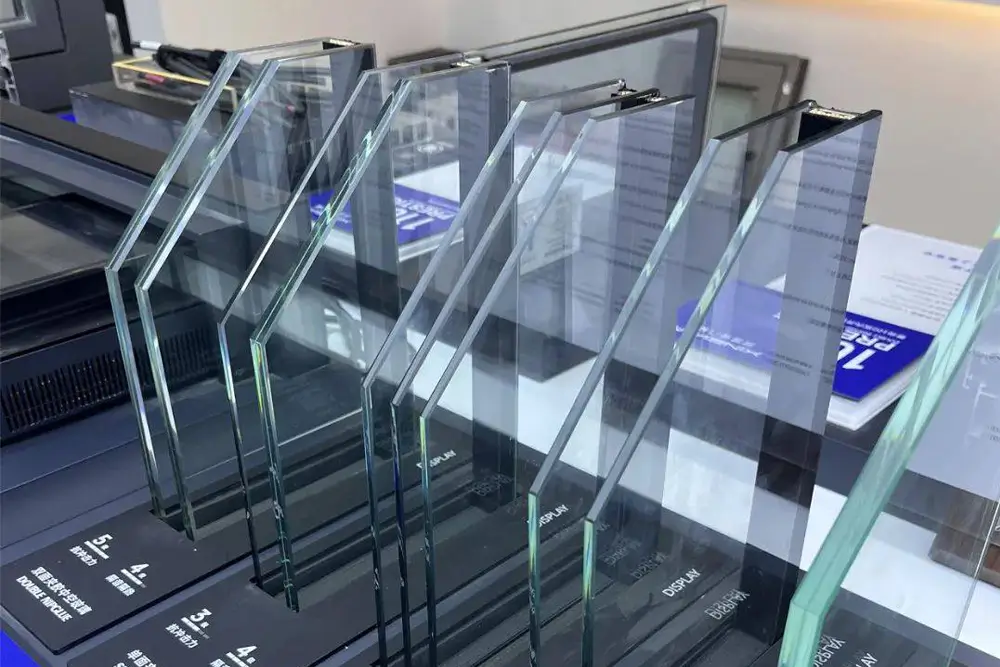
Amid growing global demands for energy conservation and carbon reduction, Low-E glass is the top choice for energy-efficient buildings. Its unique silver-layer coating and scientific double glazing structure balance thermal insulation, light transmittance and UV protection, solving traditional glass’s flaws of poor insulation and high energy consumption.
The core advantage lies in its advanced coating: the mainstream 5+12A+5 double glazing Low-E glass reflects over 90% of far-infrared radiation. Authoritative tests show it achieves a U-value ≤1.2 W/(m²·K), cutting cooling energy consumption by 30%-35% in high temperatures and heating energy by 25%-30% in cold regions.
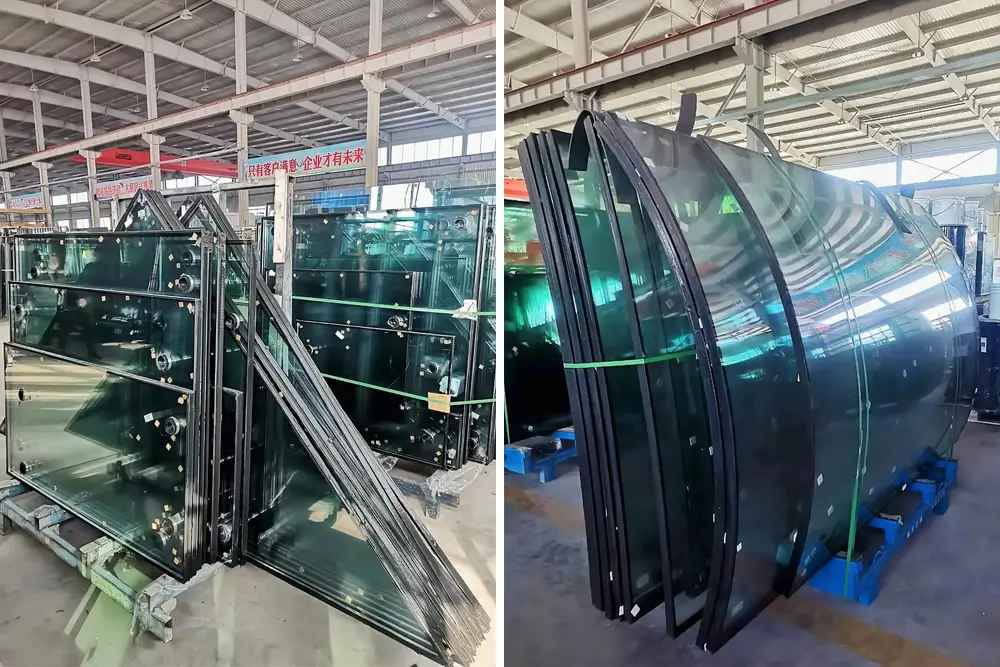
It also boasts excellent comprehensive performance: ≥85% light transmittance ensures natural lighting, reducing artificial light reliance; blocks over 90% of UV rays to prevent furniture fading. Combined with argon-filled hollow technology, it reduces noise by 35-42dB.
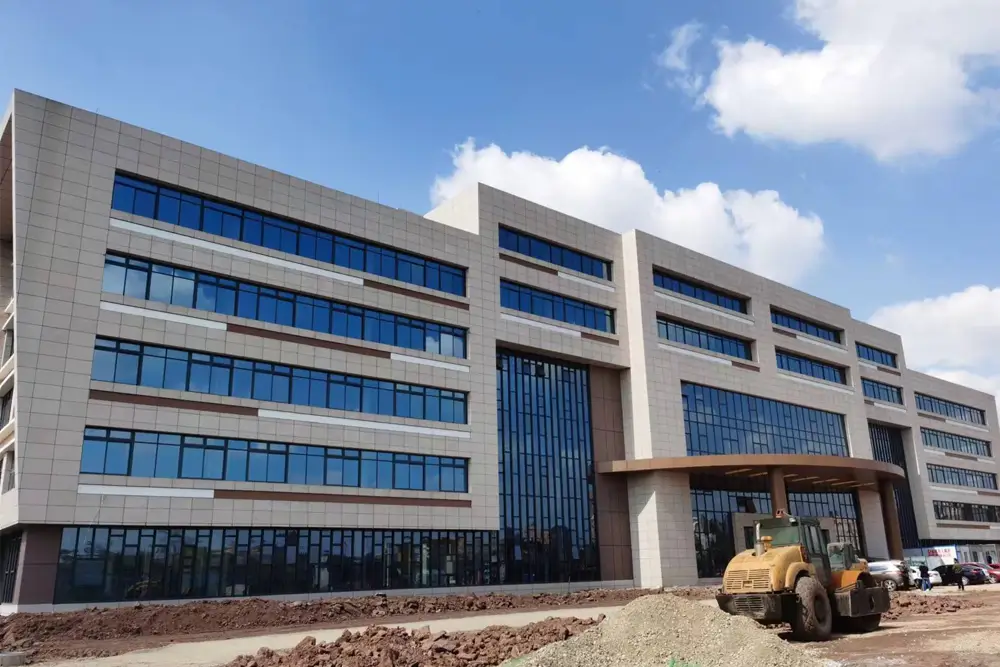
Industry experts note that Low-E glass is increasingly mandatory for commercial and residential buildings under upgraded green building regulations. Foshan Hannoverwindow’s Low-E solutions comply with EU EN 12150, US Energy Star standards, driving sustainable construction development globally.