Comprehensive Guide to Aluminium Alloy Doors and Windows Engineering: Product Selection, Performance & Applications
In modern construction engineering, aluminum alloy doors and windows have become the preferred choice for commercial, residential, and public projects due to their superior durability, energy efficiency, and design flexibility. From sleekaluminum storefront systems that enhance commercial appeal to specialized aluminium door for bathroom solutions that prioritize water resistance, the versatility of aluminium doors and windows (aluminium doors and windows) makes them indispensable in diverse engineering scenarios. This guide delves into key product types, core performance features, and practical selection strategies, covering essential terms like aluminium corner window, aluminium glazed window, and thermal break aluminum windows to help engineers, architects, and project managers make informed decisions.

Key Product Types of Aluminium Alloy Doors and Windows for Engineering Projects
Aluminium alloy doors and windows come in a wide range of configurations to suit different project requirements. Below are the most commonly used types in engineering, including the must-have options specified for this guide:
1. Window Systems: Versatility for Every Space
- Aluminium Corner Window: Designed for seamless 90° or 135° corner installations, this type maximizes natural light penetration and creates panoramic views—ideal for luxury villas, high-end apartments, and modern office lobbies. Its reinforced frame structure ensures stability even in large-span designs, paired with weathertight seals to resist wind and rain.
- Aluminium Glazed Window: Characterized by large glass panels and minimal aluminium frames, this window type emphasizes transparency and aesthetic appeal. It’s widely used in curtain wall systems, shopping malls, and exhibition centers, with options for double or triple glazing to enhance thermal and acoustic performance.
- Thermal Break Aluminum Windows: A game-changer for energy-efficient engineering, these windows feature a PA66GF25 nylon thermal break strip that blocks heat transfer between the interior and exterior. Complying with global energy standards (e.g., EU RT 2020, US Energy Star), they reduce heating and cooling costs by up to 40%, making them essential for green building projects.
- Double Hung Aluminium Windows: With two vertically sliding sashes, this classic design offers flexible ventilation control and easy maintenance. It’s a popular choice for residential projects, schools, and hospitals, as it allows safe cleaning from inside the building and fits traditional or modern architectural styles.
- Aluminum Bay Window: Projecting outward from the building facade, this window creates additional interior space and enhances light intake. It’s commonly used in residential living rooms, bedrooms, and hotel suites, often paired with thermal break technology to maintain energy efficiency despite the extended design.
- Best Aluminium Windows: The “best” aluminium windows are defined by a combination of performance, durability, and compliance—typically featuring high-grade 6063-T5 aluminium alloy, multi-point locking systems, and Low-E coated glazing. They undergo rigorous testing (salt spray, wind load, cycle tests) to meet international standards like EN 14351 and AAMA 101.
2. Door Systems: Functionality Meets Durability
- Aluminum Storefront: Engineered for commercial entrances (retail stores, restaurants, office lobbies), aluminum storefront systems balance security, aesthetics, and accessibility. They feature narrow frames to maximize display visibility, with options for sliding or swing doors, and can be integrated with thermal break technology for energy efficiency.
- Aluminium Door for Bathroom: Designed to withstand high humidity and water exposure, these doors feature corrosion-resistant aluminium frames and water-tight seals. Common configurations include sliding or hinged designs, with frosted or tinted glass for privacy—ideal for residential bathrooms, hotel suites, and public restrooms.
- Aluminium Door Balcony: Prioritizing safety and outdoor access, balcony doors are available as sliding, bifold, or swing types. They feature robust hardware (heavy-duty hinges, anti-lift locks) and weather-resistant coatings, with large glass panels to connect indoor and outdoor spaces seamlessly. Thermal break variants are recommended for cold or hot climates.
- Aluminium Sliding Doors: A complementary high-traffic term, these doors are widely used in commercial and residential projects for their space-saving design and smooth operation. They’re often paired with aluminum storefront systems or balcony entrances, supporting large spans up to 6 meters.
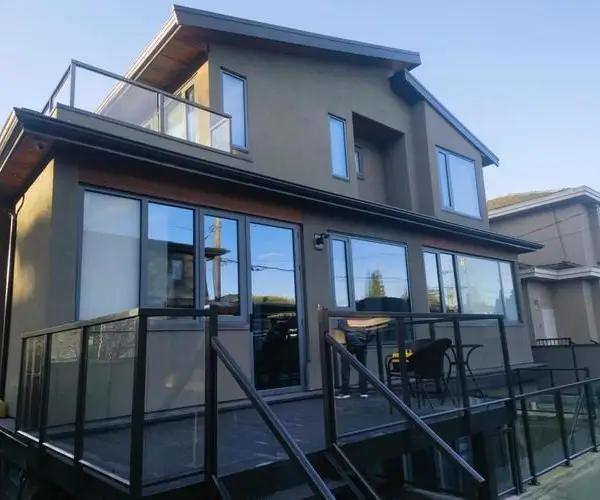
Core Performance Features of Aluminium Alloy Doors and Windows for Engineering
Engineering projects demand aluminium doors and windows that excel in harsh conditions and meet strict performance benchmarks. Below are the key features to prioritize:
1. Thermal Insulation (Thermal Break Advantage)
As mentioned, thermal break aluminum windows and doors are critical for energy-efficient engineering. The thermal break strip creates a barrier between the inner and outer aluminium frames, preventing heat loss in winter and heat gain in summer. For projects in extreme climates, pairing thermal break systems with triple glazing and Low-E coatings further reduces U-values to ≤0.7 W/(m²·K), meeting passive house standards.
2. Weather Resistance & Durability
Aluminium alloy’s natural corrosion resistance makes it ideal for outdoor use, but engineering-grade products require additional enhancements: anodized or powder-coated finishes (resisting UV fading and saltwater corrosion) for coastal projects, and EPDM weather seals (ensuring water tightness up to 1500 Pa) for rainy regions. Aluminium glazed window and aluminum storefront systems also feature reinforced frames to withstand wind loads up to 2000 Pa.
3. Security & Safety
Engineering projects demand robust security features: multi-point locking systems (for double hung aluminium windows and aluminium door balcony), tempered or laminated glass (preventing shattering), and anti-pry hardware. Aluminum storefront systems often include bullet-resistant glass options for high-security commercial spaces.
4. Acoustic Insulation
For projects near busy roads, airports, or commercial areas, aluminium doors and windows with acoustic insulation are essential. This is achieved through double/triple glazing with argon gas filling, sound-damping gaskets, and tight frame seals—reducing noise transmission by up to 45 dB, ideal for aluminium corner window installations in urban residential buildings.

Practical Selection Guide for Aluminium Alloy Doors and Windows Engineering
Selecting the right aluminum alloy doors and windows requires aligning product features with project goals. Follow these steps:
1. Define Project Requirements
- Location: Choose corrosion-resistant finishes for coastal areas; thermal break aluminum windows for extreme climates.
- Building Type: Aluminum storefront for commercial spaces; aluminium door for bathroom for residential/hotel projects; aluminum bay window for luxury residences.
2. Evaluate Material & Manufacturing Quality
Opt for high-grade 6063-T5 aluminium alloy (superior strength and ductility) and reputable hardware brands (e.g., HOPPE, Gu Lang). Check for ISO 9001 certification and third-party test reports (salt spray, load-bearing) to ensure quality.
3. Prioritize Energy Efficiency
Choose thermal break aluminum windows and doors wherever possible—they reduce long-term energy costs and contribute to green building certifications (LEED, BREEAM). For aluminium glazed window systems, select Low-E coated glass to enhance thermal performance without compromising light intake.
4. Consider Customization & Installation
Engineering projects often require custom sizes (e.g., large-span aluminium corner window) or colors. Partner with suppliers that offer flexible customization and professional installation services—poor installation can negate the performance benefits of high-quality aluminium doors and windows.
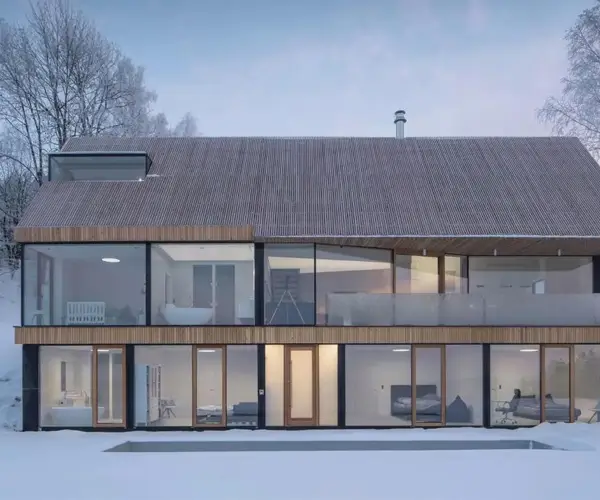
Engineering Application Cases of Aluminium Alloy Doors and Windows
1. Commercial Office Building (Dubai)
This high-rise project used aluminum storefront systems and thermal break aluminum windows to combat extreme heat. The thermal break technology reduced HVAC costs by 35%, while the sleek aluminum glazed windows enhanced the building’s modern aesthetic. Aluminium door balcony systems with sliding designs provided staff with outdoor access and panoramic city views.
2. Luxury Residential Villa (France)
The villa featured aluminum bay window and aluminium corner window installations to maximize natural light and views of the French Riviera. Double hung aluminium windows were used in bedrooms for traditional charm, while aluminium door for bathroom systems with frosted glass ensured privacy and water resistance. All products complied with EU RT 2020 energy standards.
3. Shopping Mall (Singapore)
The mall’s aluminum storefront and aluminium glazed window systems prioritized transparency and weather resistance. The aluminium frames were finished with anti-corrosion powder coating to withstand Singapore’s humid climate, and multi-point locking systems ensured security after hours.
Conclusion
Aluminum alloy doors and windows are a cornerstone of modern engineering, offering unmatched versatility, performance, and durability. By understanding the unique benefits of aluminium corner window, thermal break aluminum windows, aluminum storefront, and other key types, project teams can select products that meet functional requirements, energy standards, and aesthetic goals. Whether for commercial, residential, or public projects, prioritizing quality materials, compliance with international standards, and professional installation will ensure the long-term success of aluminium windows and doors engineering.


